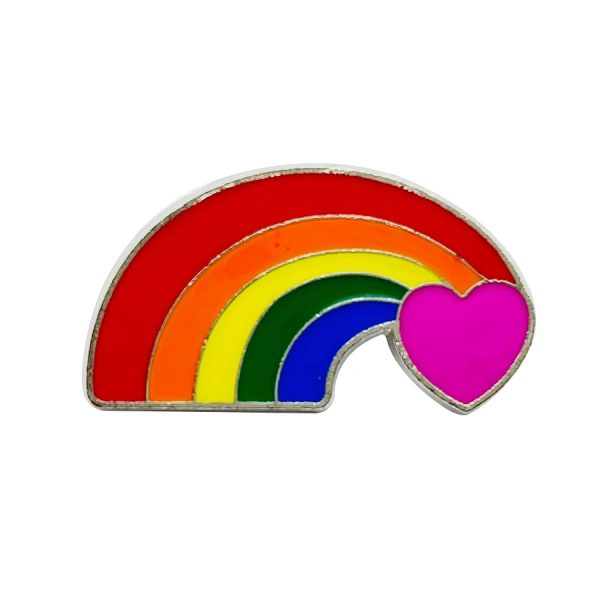
Lesbian Badge
Lesbian Badge
- Size: 35mm
- Silver Finish
- Back: Butterfly Clutch
Bow-Knot Badge
- Size: 27mm
- Soft Enamel
- Back: Black Plastic Clutch
Made By Badges UK
The History of the Lesbian Badge
The history of the lesbian badge is closely tied to the history of LGBTQ+ activism and the struggle for lesbian visibility and acceptance. A lesbian badge, also known as a lesbian button or lesbian pin, is a small wearable item, usually with a symbol, slogan, or colour associated with lesbian identity. They can be worn on clothing, bags, or accessories as a form of self-expression, empowerment, and community building.
The origins of the lesbian badge can be traced back to the LGBTQ+ rights movement of the 1960s and 70s. During this time, lesbian activists and organizations began using the badge as a way to assert their lesbian identity and challenge the social norms that relegated lesbians to the margins.
In the 1980s and 90s, as LGBTQ+ activism gained momentum, lesbian badges became more prominent and visible. Lesbian activists and organizations use the custom badge as a way to raise awareness, advocate for lesbian rights, and increase lesbian visibility. Many of the lesbian badges of the era featured bold slogans such as "Lesbian and Pride" or "Be Loud," as well as symbols such as the labrys (double-headed axe), which was used as a symbol of lesbian strength and empowerment.
Lesbian badges are also an important part of lesbian culture and community building. They have been used at lesbian events, pride parades, and rallies as a way to promote unity and create safe spaces for lesbians to connect and celebrate their identities.
The lesbian badge is constantly evolving and adapting to a changing social and cultural landscape. Many lesbian badges now feature intersectional messages, incorporating symbols or catchphrases that highlight the intersectionality of lesbian identity with other aspects of identity. This reflects growing awareness and recognition of the need for diversity and inclusion within the lesbian community.
Design and Symbolism of Lesbian Badges
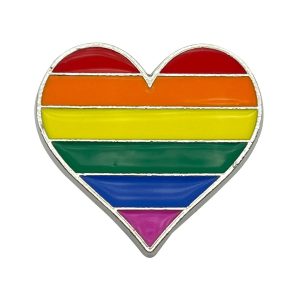
Lesbian badges come in a variety of designs and symbolisms, using different colours, shapes, and symbols to represent lesbian identity and pride. Two popular lesbian badge designs are a rainbow with a pink heart and a rainbow-coloured bow.
The rainbow is a well-known symbol of the LGBTQ+ community, including lesbian identity. It represents diversity, inclusion, and the spectrum of sexual orientation and gender identity. The pink heart in the rainbow design adds a touch of love and affection, symbolizing the emotional connection and relationships that are an important part of the lesbian experience.
Rainbow bows are another popular lesbian badge design. An iridescent or holographic finish creates a multi-coloured, sparkly effect that catches the light and adds playfulness and whimsy to the emblem. Often associated with femininity, the bow shape can represent self-expression, style, and creativity. The rainbow-coloured bow design in the lesbian badge can symbolize a celebration of diversity within the lesbian community, embracing different identities, expressions and experiences.
The use of colour in the lesbian badge also has a symbolic meaning. For example, pink has historically been associated with femininity and has been used as a colour associated with lesbian identity. Purple is also associated with lesbianism, representing lesbian community and pride. Other colours of the rainbow can be used to represent diversity and inclusion in the lesbian community.
Exploring the Social Power of the Lesbian Badge
The lesbian badge has become a powerful tool for social empowerment, giving lesbians a way to express their identity, connect with others, and challenge social norms. The social power of the lesbian badge is manifested in various ways, including its role in raising awareness, building community, and promoting activism.